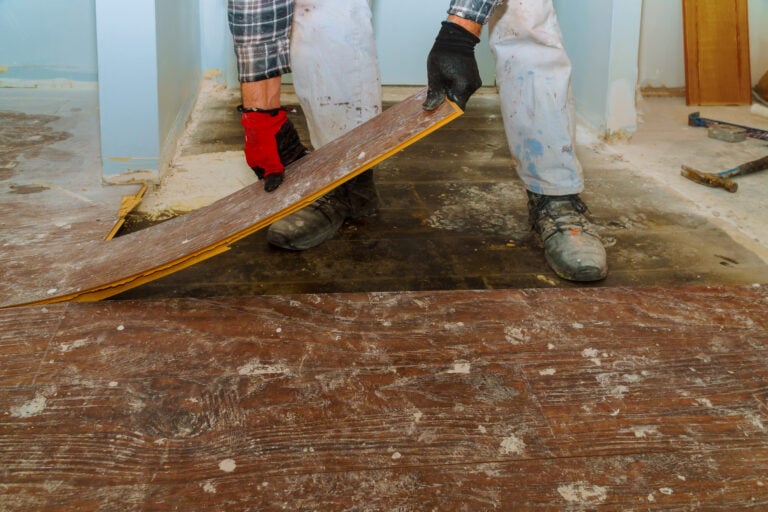

Laminate flooring has become one of the most popular flooring options for homeowners because it’s affordable, attractive, and available in a wide range of styles. However, not all laminate flooring is installed the same way. Before starting a renovation, it’s important to understand the differences between floating vs. glued laminate flooring, especially when it comes time for removal.
While both types of flooring may look nearly identical once installed, the removal process can vary significantly. Knowing which type you have can help you better plan your project, avoid unexpected challenges, and determine whether professional flooring removal is the right choice.
At JBL Flooring Solutions, we remove both floating and glued laminate flooring throughout South Florida, helping homeowners prepare their homes for new flooring installations quickly and efficiently.
What Is Floating Laminate Flooring?
Floating laminate flooring is the most common type found in modern homes. Instead of being attached directly to the subfloor, the planks lock together using a click-and-lock system and “float” on top of a foam underlayment.
Because the flooring isn’t permanently fastened to the subfloor, it has room to expand and contract with changes in temperature and humidity.
Benefits of floating laminate flooring include:
- Faster installation
- Lower installation costs
- Easier replacement of damaged sections
- No adhesive required
- Suitable for many residential applications
This installation method has become the preferred choice for many homeowners and builders.
What Is Glued Laminate Flooring?
Although less common today, some laminate flooring is glued directly to the subfloor or glued together along the seams.
This installation method creates a more permanent bond, which can offer additional stability in certain situations. However, it also makes future flooring removal much more labor-intensive.
Glued laminate flooring is often found in:
- Older homes
- Commercial spaces
- High-traffic areas
- Renovation projects completed years ago
Unlike floating systems, glued laminate requires extra effort to separate from the surface beneath it.
Why Removal Is Different
The biggest difference between floating vs. glued laminate flooring becomes apparent during demolition.
Removing Floating Laminate Flooring
Floating laminate is generally the quicker option to remove.
The process usually involves:
- Removing baseboards or transition strips
- Unlocking or lifting planks
- Removing foam underlayment
- Cleaning the subfloor
Because there is little or no adhesive involved, cleanup is often faster and the subfloor typically requires less preparation.
Removing Glued Laminate Flooring
Glued laminate removal is a more involved process.
Depending on how the flooring was installed, contractors may need to:
- Break apart glued planks
- Remove adhesive residue
- Scrape or grind stubborn glue
- Repair damaged subfloor areas
- Perform additional surface preparation
The flooring itself may come up fairly easily, but removing the remaining adhesive often takes the most time.
How to Tell Which Type You Have
Many homeowners aren’t sure how their laminate flooring was installed until removal begins.
A few signs can help identify the installation method.
Floating laminate flooring often:
- Sounds slightly hollow when walked on
- Includes expansion gaps around walls
- Moves very slightly under pressure
- Uses click-lock planks
Glued laminate flooring often:
- Feels firmly attached to the floor
- Has little or no movement
- May have adhesive visible near damaged areas
- Is commonly found in older installations
If you’re unsure, a flooring removal professional can usually determine the installation method during an inspection.
Which One Costs More to Remove?
In most cases, glued laminate flooring costs more to remove.
Several factors contribute to the increased labor:
- Adhesive removal
- Additional cleanup
- More difficult demolition
- Longer project timelines
- Increased subfloor preparation
Floating laminate generally requires less labor, making it the more affordable option when it comes to removal.
Can the Subfloor Be Damaged?
The condition of the subfloor often depends on both the installation method and the condition of the flooring.
Potential issues include:
- Moisture damage
- Adhesive residue
- Uneven concrete
- Minor surface damage
- Areas requiring patching or leveling
Professional flooring removal helps identify these problems before new flooring is installed.
At JBL Flooring Solutions, we inspect the subfloor after every laminate removal project to help ensure it is properly prepared for the next flooring system.
Why Homeowners Hire JBL Flooring Solutions
Many homeowners begin removing laminate flooring themselves only to discover the project is more difficult than expected.
Floating laminate may come apart quickly, but moving furniture, removing underlayment, cleaning debris, and preparing the subfloor still require considerable time.
Glued laminate presents even greater challenges because of the adhesive left behind.
JBL Flooring Solutions specializes in removing both floating and glued laminate flooring throughout South Florida. Our team has the equipment and experience to complete projects efficiently while minimizing disruption to your home.
Instead of spending an entire weekend on demolition and cleanup, many homeowners choose professional flooring removal so they can focus on selecting and installing their new floors.
Planning Your Flooring Renovation
Whether your laminate flooring is floating or glued, proper removal is the foundation of a successful renovation.
Before beginning your project:
- Determine the installation method.
- Remove furniture and personal belongings.
- Schedule flooring removal before your installer arrives.
- Allow time for subfloor inspection and preparation.
- Address any moisture issues before installing new flooring.
A little planning can help your renovation stay on schedule and reduce unexpected delays.
Final Thoughts
Understanding the differences between floating vs. glued laminate flooring is important when planning a flooring renovation. While floating laminate is generally faster and easier to remove, glued laminate often requires additional labor to remove adhesive and prepare the subfloor.
No matter which type of flooring you have, professional removal can save significant time and help ensure your new flooring is installed on a clean, properly prepared surface.
JBL Flooring Solutions provides expert laminate floor removal services throughout South Florida. Whether you’re replacing old laminate because of water damage, wear and tear, or a complete home renovation, our experienced team can handle the removal so your project starts on the right foot.