Laminate flooring is commonly preferred for its clean appearance or easy installation, but often, the truth about what is under it can be more complicated. Homeowners are often surprised by things as they are revealed, beginning when the first piece comes out. Having some knowledge about what is under laminate flooring can really prepare one for their task.
Before disassembling laminate flooring, it is essential to recognize that the topmost layer is not alone in this setup but is comprised of several layers below it, influencing factors for how to remove it as well as the state of the subfloor after the process is done.
Before disassembling laminate flooring, it is essential to recognize that the topmost layer is not alone in this setup but is comprised of several layers below it, influencing factors for how to remove it as well as the state of the subfloor after the process is done.
Underlayment Beneath Laminate Flooring
In most installations, laminate flooring sits on top of a thin underlayment. This layer acts as a cushion and helps with sound reduction and minor leveling.
Common types of underlayment include:
Common types of underlayment include:
- Foam padding sheets or rolls
- Combination foam with vapor barrier
- Cork or rubber underlayment in higher-end installations
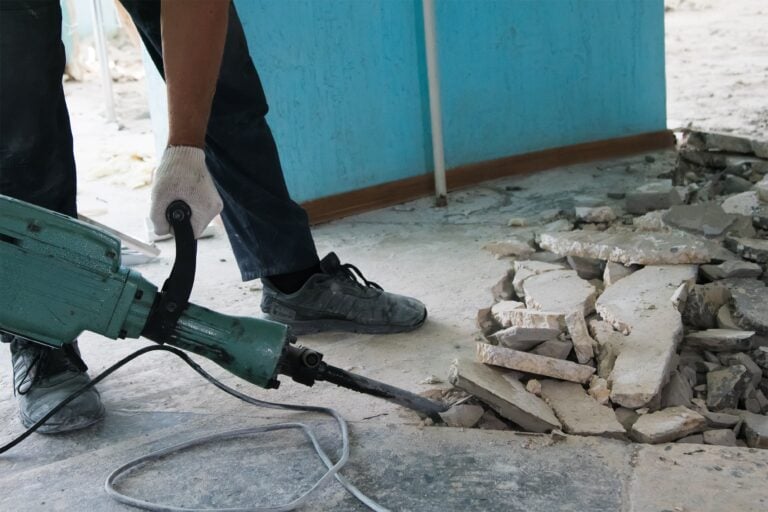
When laminate flooring is removed, the underlayment often tears, compresses, or sticks to the subfloor. It typically needs to be fully removed before new flooring can be installed. Leaving damaged underlayment behind can cause uneven floors and long-term issues.
Vapor Barriers and Moisture Protection
In Broward County and throughout South Florida, moisture control is a major concern. Many laminate floors are installed with a plastic vapor barrier underneath the underlayment, especially when placed over concrete slabs.
This moisture barrier may be:
This moisture barrier may be:
- A separate plastic sheet
- Integrated into the underlayment
- Overlapping and taped at seams
During removal, vapor barriers are frequently damaged or improperly removed. A professional removal process ensures these layers are taken up correctly so moisture problems are not transferred to your next floor.
Subfloor Types You May Find
Once laminate flooring and underlayment are removed, the subfloor is exposed. The type and condition of the subfloor play a major role in how smoothly your flooring project moves forward.
Concrete Subfloors
Concrete slabs are common in South Florida homes and condos. Under laminate flooring, concrete often shows:
- Adhesive residue from previous flooring
- Cracks or uneven areas
- Moisture staining or minor surface damage
Concrete usually needs cleaning, grinding, or leveling before new flooring is installed.
Wood Subfloors
In second-story homes or older properties, laminate flooring may sit on plywood or OSB subfloors. These surfaces can reveal:
- Squeaks caused by loose panels
- Water damage near kitchens or entryways
- Uneven seams between panels
Addressing these issues early prevents noise and movement in the new floor.
Hidden Adhesives and Edge Glue
While many laminate floors are floating systems, some installations use glue along seams or around the perimeter. This is especially common in older laminate floors or areas exposed to moisture.
Glue can make removal more difficult and time-consuming. Pulling planks without the right technique often damages the subfloor or surrounding trim. Professional laminate floor removal avoids these issues by separating planks cleanly and removing residue properly.
Glue can make removal more difficult and time-consuming. Pulling planks without the right technique often damages the subfloor or surrounding trim. Professional laminate floor removal avoids these issues by separating planks cleanly and removing residue properly.
Old Flooring Beneath the Laminate
Another common surprise is discovering older flooring beneath the laminate. It is not unusual to find:
- Vinyl flooring
- Tile
- Thinset residue
- Old carpet padding
In these cases, laminate removal becomes part of a larger flooring removal project. Knowing this ahead of time helps homeowners budget accurately and plan realistic timelines.
Why Knowing What’s Under Laminate Flooring Matters
Understanding what is under laminate flooring allows you to:
- Avoid unexpected repair costs
- Plan for proper subfloor preparation
- Choose the right replacement flooring
- Prevent moisture and leveling problems
Skipping this step or rushing removal often leads to delays and added expense later in the project.
Professional Laminate Floor Removal Makes a Difference
At JBL Flooring Solutions, we remove laminate flooring every day and know exactly what to look for underneath. Our team removes laminate, underlayment, and residue safely while protecting the subfloor and surrounding areas.
Whether your laminate floor is in a home or commercial space, proper removal sets the foundation for a successful flooring upgrade.
If you are planning laminate floor removal in Broward County or surrounding areas, professional removal ensures there are no surprises hiding beneath the surface.
Whether your laminate floor is in a home or commercial space, proper removal sets the foundation for a successful flooring upgrade.
If you are planning laminate floor removal in Broward County or surrounding areas, professional removal ensures there are no surprises hiding beneath the surface.