
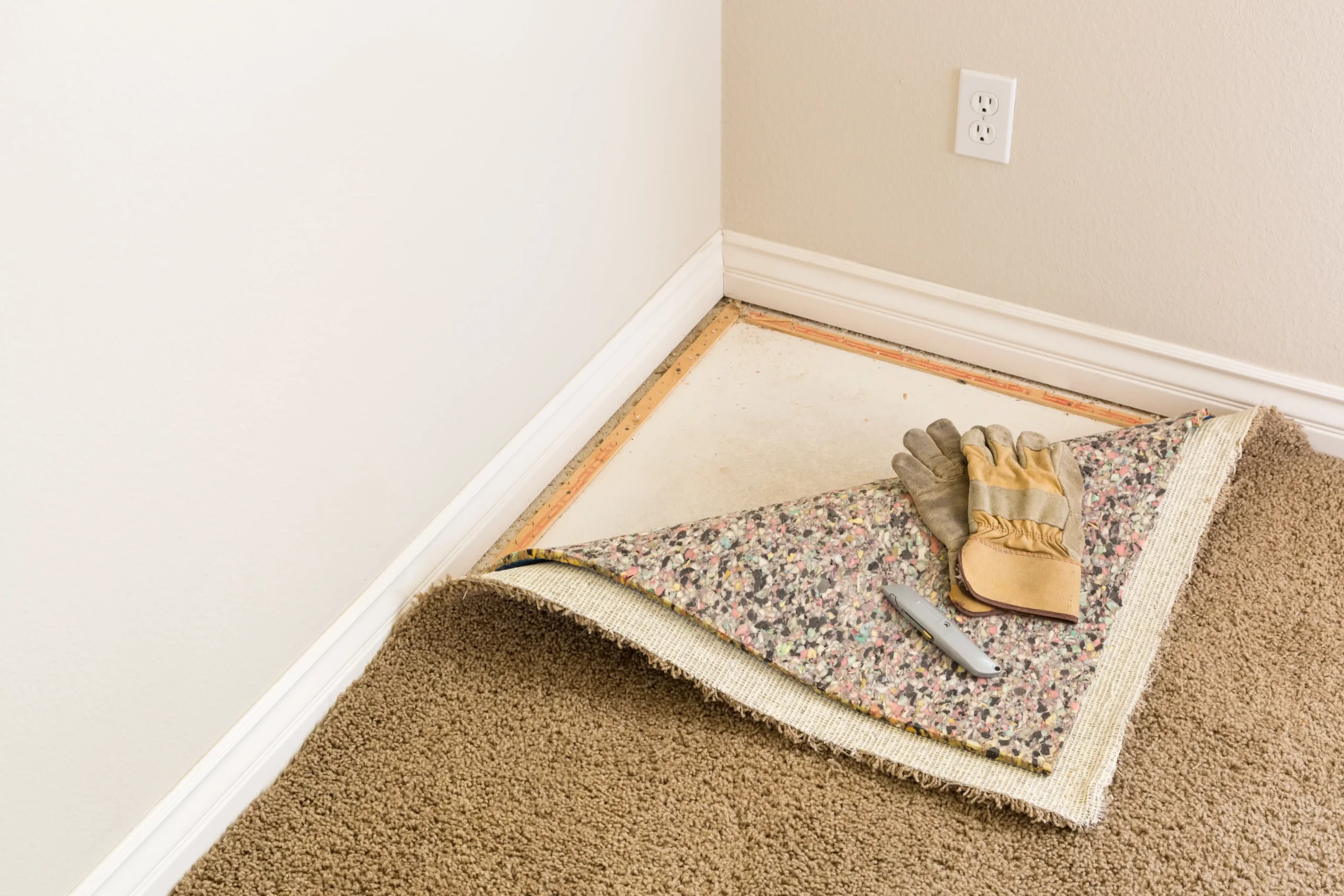
If you’re planning a flooring upgrade, one of the first questions you might ask is: how do I remove carpet? While it may seem like a simple task, carpet removal can quickly become time-consuming and physically demanding, especially if you are dealing with padding, staples, or glued sections.
At JBL Flooring Solutions, we handle professional carpet removal across South Florida, helping homeowners save time and avoid common mistakes. If you are considering doing it yourself, here is what you should know before getting started.
What Tools Do You Need to Remove Carpet?
Before you begin, having the right tools will make the process easier and safer.
You will typically need:
- Utility knife
- Pry bar or pliers
- Hammer
- Floor scraper
- Heavy-duty gloves
- Dust mask
These tools help you cut, lift, and remove both the carpet and the materials underneath it.
Step-by-Step Carpet Removal Process
1. Clear the Room
Remove all furniture and obstacles from the space. This gives you full access and prevents interruptions during the process.
2. Cut the Carpet Into Sections
Use a utility knife to cut the carpet into manageable strips, usually about 3 to 4 feet wide. This makes it easier to roll and remove.
3. Pull Up the Carpet
Start in a corner and pull the carpet away from the tack strips along the walls. Once loosened, roll up each section as you go.
4. Remove the Padding
Underneath the carpet, you will find padding that is usually stapled or glued to the subfloor. Pull up the padding and scrape off any remaining adhesive if necessary.
5. Remove Tack Strips
Tack strips run along the perimeter of the room and hold the carpet in place. Use a pry bar to carefully lift and remove them.
6. Clean and Prepare the Subfloor
After everything is removed, clean the surface thoroughly and inspect the subfloor for any damage or uneven areas.
Common Challenges When Removing Carpet
Many homeowners start carpet removal expecting a quick project, but several issues can slow things down:
- Stubborn staples and adhesive residue
- Heavy or worn carpet that is difficult to handle
- Dust and debris buildup
- Subfloor damage that requires repair
These challenges often turn a simple project into a full-day or multi-day job.
Should You Remove Carpet Yourself or Hire a Professional?
While DIY carpet removal is possible, it is not always the most efficient option. The process can be physically demanding and time-consuming, especially in larger areas.
Hiring a professional service ensures:
- Faster and more efficient removal
- Proper handling of all materials
- Reduced risk of subfloor damage
- A clean, ready-to-use surface for new flooring
At JBL Flooring Solutions, we provide full-service carpet removal, helping homeowners move quickly into the next phase of their renovation without delays.
How Long Does Carpet Removal Take?
Most carpet removal projects can be completed within one day, depending on the size of the space and the condition of the flooring. Larger areas or heavily glued installations may take longer.
Professional teams can often complete the job much faster than DIY efforts, especially when handling multiple rooms.
Final Thoughts on Carpet Removal
So, how do you remove carpet? While the basic steps are straightforward, the actual process can involve more effort than expected. From pulling up padding to dealing with staples and adhesives, proper removal is key to preparing your space for new flooring.
If you want to save time and ensure the job is done correctly, working with a professional team can make a big difference.
FAQ: Carpet Removal
Is carpet removal messy?
Yes, it can create dust and debris, especially when removing older carpet and padding.
Can I install new flooring right after removing carpet?
Yes, as long as the subfloor is clean, level, and properly prepared.
Do I need special tools to remove carpet?
Basic tools like a utility knife and pry bar are usually enough, but additional tools may be needed for glued surfaces.
How much does carpet removal cost?
Costs vary based on the size of the area and the condition of the carpet and subfloor.


