Removing old carpeting is an important first step in upgrading your home’s flooring. However, pulling up the carpet doesn’t necessarily mean the surface is ready for new flooring.
So, what happens after carpet is removed? The next steps typically involve removing leftover materials, inspecting the subfloor, addressing surface imperfections, and preparing the area for installation.
Understanding this process helps homeowners avoid unexpected delays and ensures their flooring renovation starts with a properly prepared foundation.
What Does the Floor Look Like After Carpet Removal?
Once the carpet is removed, homeowners may discover materials and imperfections previously hidden beneath the flooring.
Common findings include:
- Carpet padding and adhesive residue
- Tack strips along walls
- Staples, nails, and other fasteners
- Uneven concrete or plywood surfaces
- Dust, debris, and accumulated dirt
- Moisture stains or signs of subfloor damage
The condition of the exposed surface determines how much additional preparation is necessary before installing new flooring.
What Are the Next Steps After Carpet Removal?
1. Remove Carpet Padding and Tack Strips
After removing the carpet, the remaining padding must be taken out.
Depending on the installation, padding may be stapled, glued, or loosely positioned over the subfloor.
Professionals also remove tack strips and leftover fasteners that could interfere with the next flooring installation.
2. Inspect the Subfloor for Damage
Once the surface is exposed, professionals can inspect the underlying concrete or wood subfloor.
They look for cracks, moisture damage, uneven areas, and other conditions that may affect the new flooring.
In South Florida, checking for moisture-related issues is particularly important because humidity and concrete slab conditions can influence flooring performance.
3. Remove Adhesives and Residue
Some carpeting is installed using strong adhesives that remain bonded to the concrete after removal.
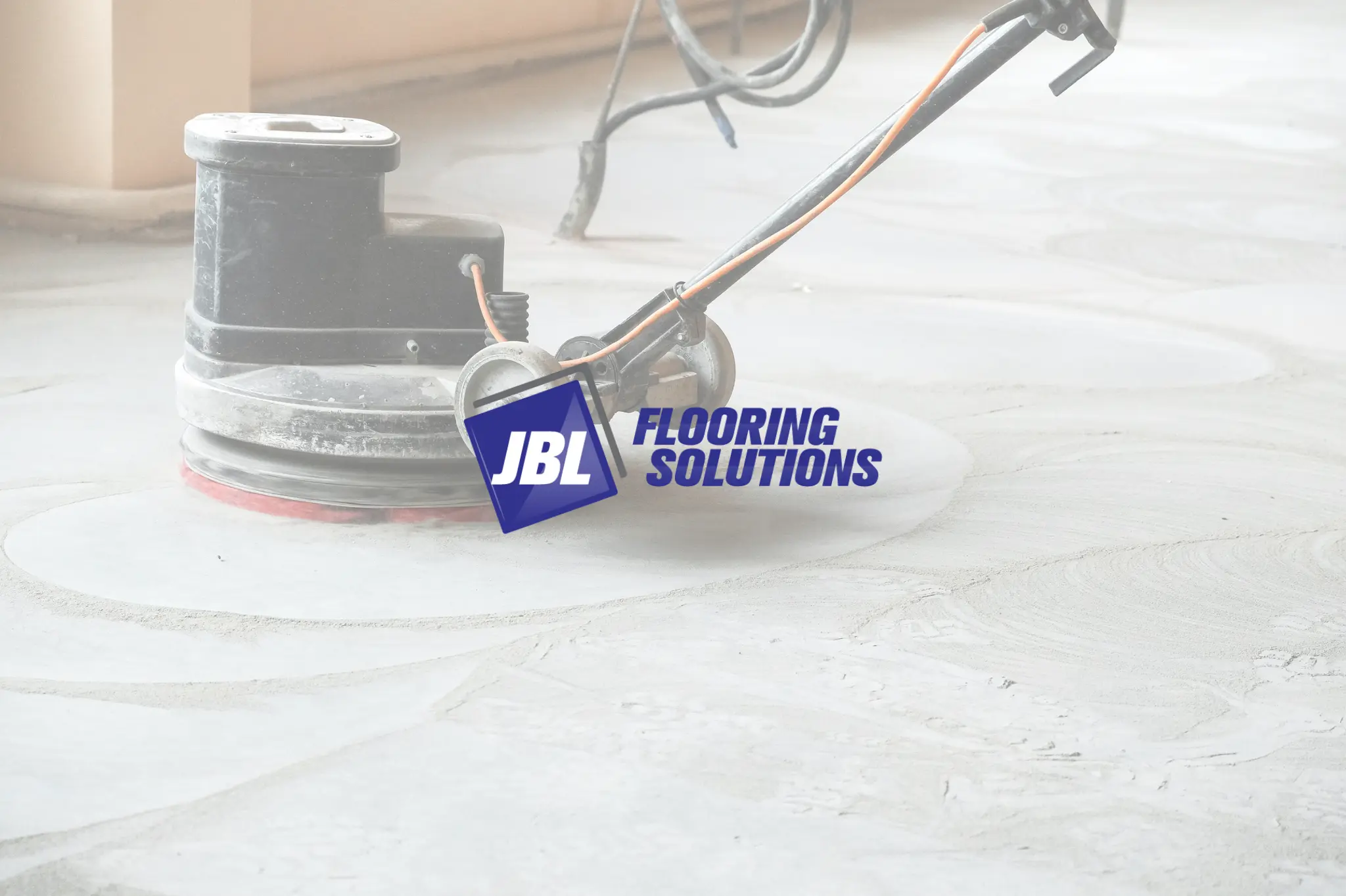
These materials may require professional scraping or grinding equipment, depending on the adhesive and subfloor condition.
Proper adhesive removal helps prevent installation problems and creates a cleaner surface for the next flooring system.
4. Prepare the Subfloor for New Flooring
Subfloor preparation requirements depend on the flooring material being installed.
For example:
- Luxury vinyl plank: Typically requires a clean, dry, and sufficiently flat surface.
- Tile flooring: Requires a stable substrate that meets the installation system’s requirements.
- Hardwood flooring: May require moisture testing and additional subfloor preparation.
- New carpeting: Requires removal of debris and appropriate preparation before installing padding.
Addressing these requirements helps reduce the risk of premature flooring problems.
Can You Install New Flooring Immediately After Carpet Removal?
Sometimes, but not always.
If the subfloor is clean, dry, structurally sound, and meets the new flooring manufacturer’s requirements, installation may proceed relatively quickly.
However, adhesive residue, moisture concerns, or uneven surfaces may require additional work.
Rushing this stage can lead to installation complications and unnecessary expenses.
Why Professional Carpet Removal Matters
Professional removal helps ensure old carpeting, padding, fasteners, and debris are addressed before the next phase of renovation.
JBL Flooring Solutions provides professional carpet removal services for residential and commercial properties throughout South Florida.
Working with experienced flooring removal specialists can simplify the transition from outdated carpeting to a properly prepared surface.
Get Your Floors Ready With JBL Flooring Solutions
Knowing what happens after carpet is removed helps homeowners plan their renovation with confidence.
From removing old materials to identifying potential subfloor concerns, each step contributes to a successful flooring upgrade.
Planning a flooring renovation in South Florida? Contact JBL Flooring Solutions to discuss your carpet removal project and request a professional estimate.


